


Premium Paper-Based Cat Litter
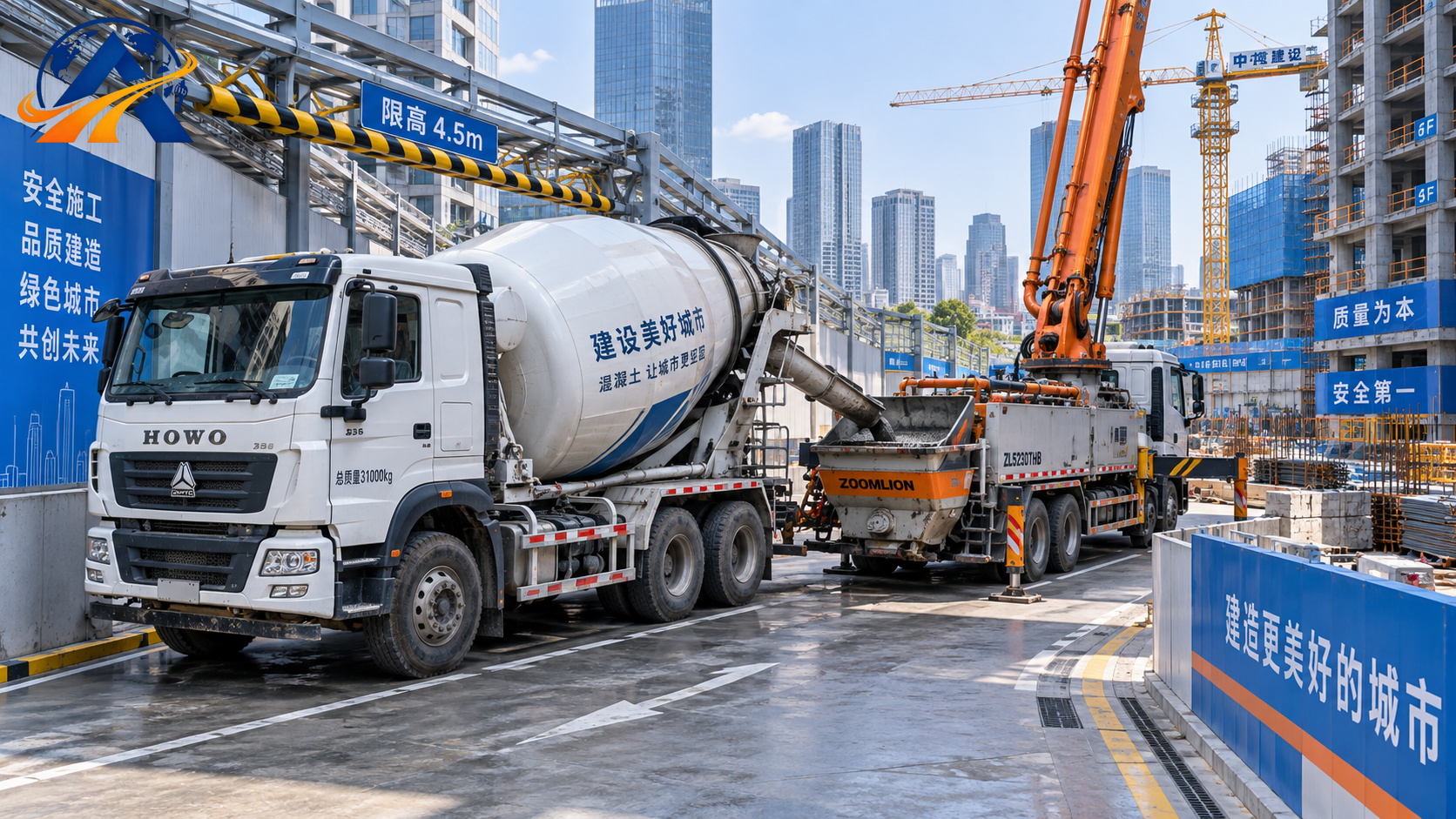
For most urban concrete placements, a mid-capacity mixer is the practical starting point. It carries enough material to keep a pour moving without imposing the turning radius, axle loading, height, and unloading-space demands of the largest drum configurations. The right capacity is set by the smallest constraint on the delivery route and at the site, not by the maximum volume that could theoretically be carried.
A larger drum reduces the number of deliveries for a major continuous pour, but it only improves productivity when the truck can arrive, position, discharge, and leave without delay. On dense city sites, a mixer held outside the gate or forced to reverse through a narrow access lane can disrupt the concrete sequence more than an additional smaller load would.
Match the drum to the pour rhythm
Start with the volume that must be placed during each uninterrupted work window. Slabs, foundations, retaining walls, and structural elements often need a steady supply so that joints do not form where fresh material meets concrete that has already begun to stiffen. If the placing crew and pump can accept larger loads at a consistent rate, a higher-capacity drum can be justified.
Urban work often has shorter receiving windows. Road occupancy limits, shared gates, restricted delivery hours, elevator-shaft construction, or simultaneous trades can interrupt access. Under these conditions, smaller or medium loads provide more control. A delayed truck creates less exposure, and the batch plant can adjust the next dispatch more easily when the actual placement rate changes.
Do not size the drum from total daily concrete volume alone. A project with a substantial daily requirement may still benefit from moderate loads if each truck must queue, wait for a pump line to clear, or use a constrained unloading position. Conversely, a large open site with a dedicated entrance and a high-output pump can use larger loads efficiently even within an urban area.
Route access can set a lower practical limit
Street width is only part of the route assessment. Tight intersections, parked vehicles, overhead branches or utility lines, steep ramps, bridge restrictions, underground parking approaches, and restricted turning areas can all determine the usable mixer size. The truck also needs room to align its discharge chute with the hopper or pump, rather than merely fit through the entrance.
A drum capacity that works on the outbound route may fail at the final approach. A site gate can be wide enough, yet the internal haul road may leave no room to straighten after a turn. Where a truck must reverse for an extended distance, the layout should allow controlled movement and a clear exit path before larger-capacity equipment is selected.
Separate nominal capacity from usable payload
Drum volume is not the same as the concrete volume that should be dispatched on every trip. Mix design, aggregate density, water content, and permitted vehicle mass affect the actual batch quantity. A dense mix can reach vehicle weight limits before the drum reaches its nominal volume. The chassis axle arrangement, local route restrictions, and fitted equipment also matter.
This is a frequent source of poor planning: the schedule assumes every truck will deliver its published drum capacity, while the approved payload for the specified mix is lower. Dispatch planning should use the allowable delivered quantity for that exact configuration and mix, then include realistic time for loading, travel, queuing, discharge, washout, and return.
Protect concrete quality during variable urban travel
Traffic makes delivery time less predictable. Long periods at low speed, temporary road closures, and queues at the site gate extend the interval between batching and placement. A larger load exposed to an unexpected delay represents a larger portion of the pour that may need attention. Drum rotation, slump management, temperature, and the approved use of admixtures must be coordinated with the concrete supplier's procedures rather than corrected informally at the site.
For a pour that cannot tolerate interruption, capacity planning should include a buffer truck or a dispatch sequence that maintains supply without crowding the street. Sending several large mixers too early can create a queue that blocks access and consumes the available workability time. A staged arrival plan is often more valuable than maximizing the volume on each vehicle.
The suitable capacity is therefore the one that delivers the required batch volume within the available route, site, payload, and placement constraints. Confirm those constraints on the actual delivery path before fixing the truck configuration; the most productive drum is the one that can complete each cycle reliably.
Search


Send Us A Message