


Premium Paper-Based Cat Litter
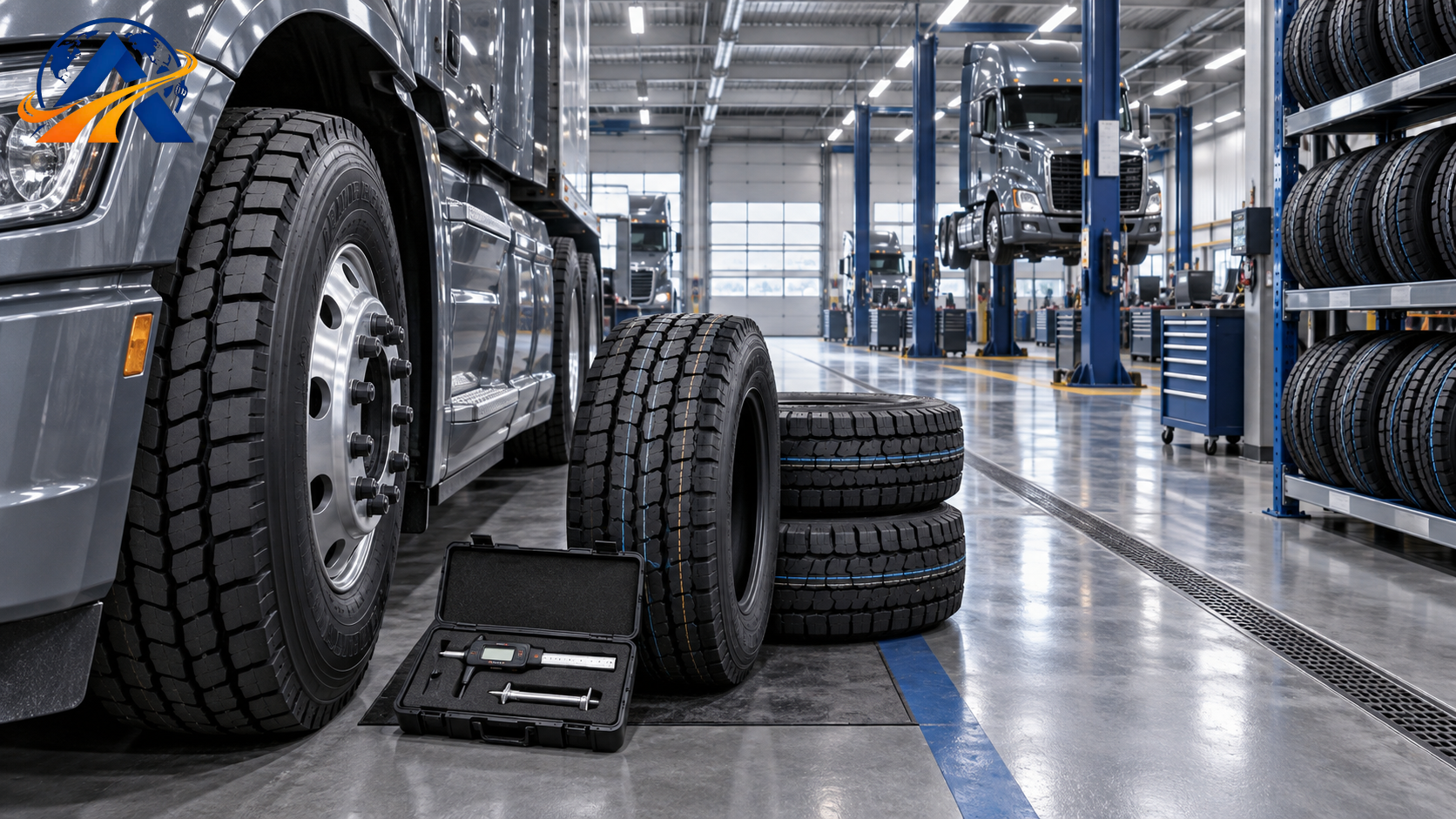
A truck tire should be removed from service before it becomes a roadside failure, not when it finally goes flat. In daily fleet work, the decision usually becomes urgent when a vehicle returns with irregular wear, repeated pressure loss, steering vibration, or visible casing damage. The safest replacement point is reached when the tire no longer has sufficient tread for its operating conditions, shows structural damage, cannot hold the specified pressure reliably, or has wear patterns that make continued use unsafe.
For Commercial Truck Tires, tread depth alone is not enough. A tire with remaining tread may still need replacement if its casing, sidewall, bead area, or belt package has been compromised. Maintenance decisions should combine inspection findings, axle position, load duty, road conditions, and the cause of any abnormal wear.
Remove a tire immediately when structural damage is visible
Some conditions should not wait for the next scheduled service. Take the vehicle out of operation or fit a serviceable spare when inspection reveals:
- Exposed steel cords, fabric plies, or damaged carcass material.
- A sidewall bulge, bubble, deep cut, crack, or impact break.
- Tread separation, loose tread blocks, or signs that the tread is lifting from the casing.
- A damaged bead, especially after running underinflated or after improper mounting.
- A puncture in an area that cannot be safely repaired under the tire manufacturer’s repair guidance.
- Severe heat damage, including discolored rubber, melted components, or a strong burnt-rubber smell after service.
These defects are especially serious on steer axles, where a sudden failure can affect directional control. On trailers and drive axles, structural damage can still lead to debris loss, wheel-end damage, or an unplanned roadside stop.
Judge tread depth by duty, not appearance alone
A tire can look usable from a distance while offering poor wet traction, reduced stone ejection, and little protection against casing damage. Measure tread at several points around the circumference and across the tread width. Do not rely on one low spot or one high spot.
Replace tires when tread reaches the fleet’s approved removal limit, the applicable local requirement, or the tire maker’s recommended point for that axle and service type. Construction routes, loose surfaces, long-haul wet-weather use, and high-load regional work may justify earlier removal than a minimum legal threshold. Waiting for the last millimeter of usable tread may create more downtime than it saves, particularly when the casing is intended for retreading.
Also inspect the wear pattern. A tire with adequate average tread may still be unsuitable when one shoulder is nearly worn through, the center is badly worn, or irregular wear has created vibration and traction problems.
Uneven wear is a replacement decision and a diagnostic signal
Replacing the tire without correcting the cause often sends the replacement tire down the same path. Record the pattern before removal and inspect the related components.
Pressure loss and overheating should change the inspection priority
A tire that repeatedly needs air is not simply a tire to top up. Check the tread for punctures, the valve core and cap, wheel condition, bead seating, and any previous repair. Running at low pressure builds heat quickly in heavy-duty service, which can weaken the casing even if the tire is reinflated later.
After a known underinflation event, do not judge the tire only by its current pressure. Inspect for sidewall flex cracking, circumferential distress, liner damage where visible, and abnormal heat effects. A tire that has operated significantly underinflated while loaded may require removal even when no external puncture is obvious.
Axle position and paired tires affect the replacement choice
Steer tires deserve a stricter standard because irregular wear, pulling, vibration, or structural concern has a direct effect on handling. Avoid placing a questionable casing on a steer axle simply because it still has tread.
For dual assemblies, compare the remaining tread, inflation condition, and rolling circumference of both tires. A major mismatch can force one tire to carry more load and generate excess heat. When one tire in a dual pair fails early, inspect its mate carefully rather than assuming it can continue unchanged. The same principle applies when replacing a single tire on a drive axle: confirm that the replacement is compatible in size, construction, and intended service with the tires beside it.
Build replacement decisions into routine inspections
A practical inspection record should include tread measurements, pressure readings, visible damage, wear location, repair history, and axle position. This makes it easier to identify tires that are approaching removal before they become an emergency. It also shows whether a repeated issue is tied to alignment, loading, inflation control, wheel condition, or operating routes.
When damage involves belts, beads, sidewalls, severe heat exposure, or uncertain repairability, keep the tire out of service until it has been assessed against the manufacturer’s guidance and the fleet’s safety procedure. Early replacement is usually the correct decision when the remaining service life is uncertain and the consequence of failure is high.
Search
Send Us A Message