


Premium Paper-Based Cat Litter
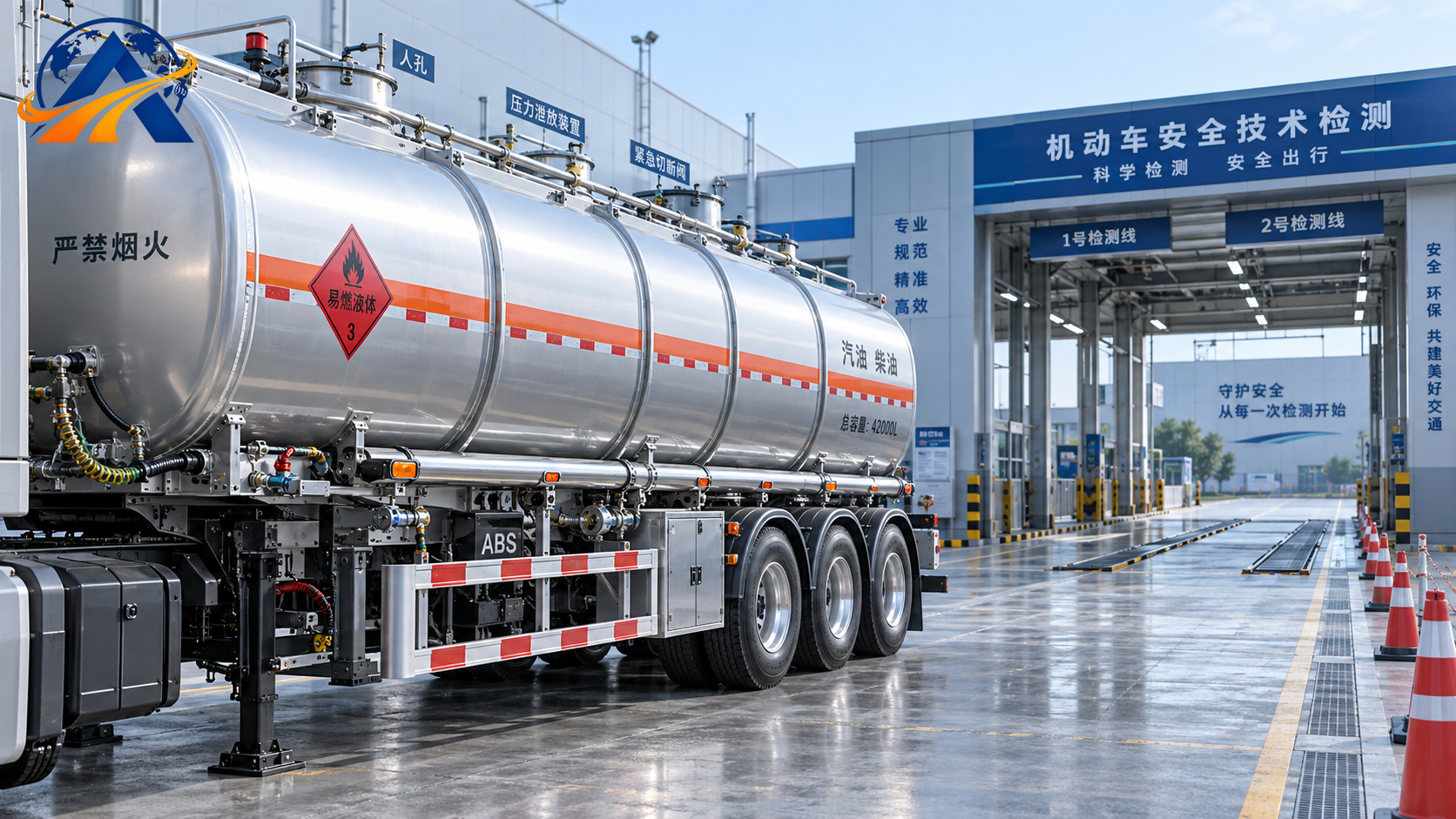
Fuel tanker trailers are governed by hazardous-goods transport rules, vehicle safety rules, and tank-construction requirements at the same time. The applicable framework depends on the countries in which the trailer is registered and operated, but the compliance question is consistent: can the tank, running gear, emergency equipment, markings, and documentation safely contain and transport the specified fuel under road conditions?
For quality and safety teams, a road-legal trailer is not automatically suitable for fuel service. A general liquid tanker may look similar, yet fuel transport requires controls for flammable vapours, static electricity, pressure release, rollover exposure, and emergency response.
The governing standard depends on the transport route
International and regional dangerous-goods regimes usually provide the primary compliance basis. ADR applies to international road transport of dangerous goods in much of Europe and is frequently used as a reference point beyond its formal territory. Other jurisdictions use their own national hazardous-materials frameworks, vehicle regulations, approval schemes, and inspection rules.
Before sourcing or accepting Fuel Tanker Trailers, safety managers should establish the intended operating geography and the fuel classes to be carried. A trailer built for one market may require different lighting, braking approvals, axle limits, warning markings, documentation, or periodic inspection arrangements before it can enter service elsewhere.
The required standard should be tied to the complete operating case, including:
- Type of fuel and its hazardous-goods classification
- Domestic, cross-border, port, depot, or long-haul operation
- Tank capacity, compartment arrangement, and permitted fill level
- Tractor-trailer combination, gross vehicle mass, and road restrictions
- Local authority requirements for registration, inspection, and operator licensing
Tank integrity is the first technical checkpoint
The tank body, heads, welds, manholes, vents, piping, valves, and fittings must be designed and approved for the product carried. Materials must be compatible with the fuel and any additives. Quality review should not stop at shell thickness or tank volume; it should verify the design pressure and vacuum conditions, weld traceability, test records, pressure-relief arrangements, and protection of vulnerable components.
Compartmented tanks need additional attention. Internal bulkheads, surge-control features, compartment seals, and individual loading or discharge controls affect both road stability and spill containment. A tank with the correct nominal capacity can still present a risk if compartment configuration does not match the loading process or if valves can be opened unintentionally during transit.
For a used or refurbished trailer, external appearance is weak evidence of tank condition. Review inspection history, repair records, pressure-test documentation, and any alterations to the shell, pipework, or discharge system. Unapproved welding and undocumented repairs can compromise both compliance and the next statutory inspection.
Vehicle safety equipment must work as a system
Fuel tanker safety is not limited to the vessel. Braking, stability, electrical protection, and emergency controls are interdependent. The trailer should have braking equipment approved for its operating market and correctly matched to the tractor. ABS or electronic braking functions, where required, should be verified through functional checks rather than assumed from installed components.
Static-control measures deserve particular scrutiny. Bonding and grounding provisions must provide a reliable path for dissipating static charge during loading and unloading, while electrical circuits and lamps need suitable protection for hazardous-goods service. Safety teams should inspect cable routing, connector condition, earth connections, lamp housings, and protection against abrasion or impact.
Other items commonly included in inspection scope are:
- Emergency shut-off and accessible valve controls
- Pressure-relief and venting devices
- Overfill prevention or level-control equipment where the operation requires it
- Fire extinguishers and emergency equipment required by the applicable regime
- Rear underrun protection, side protection, guards, mudguards, and reflective devices
- Tyres, suspension, axle ratings, wheel-end condition, and leak-free brake lines
Marking and documents are operational safety controls
Hazard placards, fuel identification, warning panels, and vehicle markings must correspond to the actual cargo. Incorrect or incomplete marking creates an emergency-response problem even when the trailer itself is mechanically sound. Labels should remain legible, secure, and correctly positioned after cleaning, loading, and normal road exposure.
The documentation package should allow an inspector, operator, or receiving authority to connect the trailer to its approved configuration. Depending on the market, this may include tank approval certificates, periodic inspection certificates, vehicle registration records, brake and component approvals, test reports, repair records, and operating instructions. Missing documents should be treated as a compliance gap, not a paperwork inconvenience.
Build the acceptance inspection around the intended service
A practical acceptance process starts with the legal route and cargo, then checks the physical trailer against its certificates and configuration. Confirm chassis and tank identification numbers, approved capacity, compartment layout, axle arrangement, valve specification, and safety equipment. Follow with functional tests for brakes, lights, emergency controls, grounding points, and any electronic safety devices.
The most common procurement mistake is to assess a tanker as a trailer with a tank mounted on it. For fuel transport, the tank approval, discharge arrangement, hazardous-goods equipment, and traceable inspection record are all part of the product. A trailer that cannot demonstrate conformity for its intended route and fuel should not be accepted on the strength of a low purchase price or a generic compliance claim.
Search

Send Us A Message